Rachel Edwards
Safari sightings
Every animal I saw in Botswana and Zambia, June 2025
After three days on safari, I had exhausted my interest in looking at animals, and developed a new passion for making lists of animals. I now understand the appeal of birdspotting.
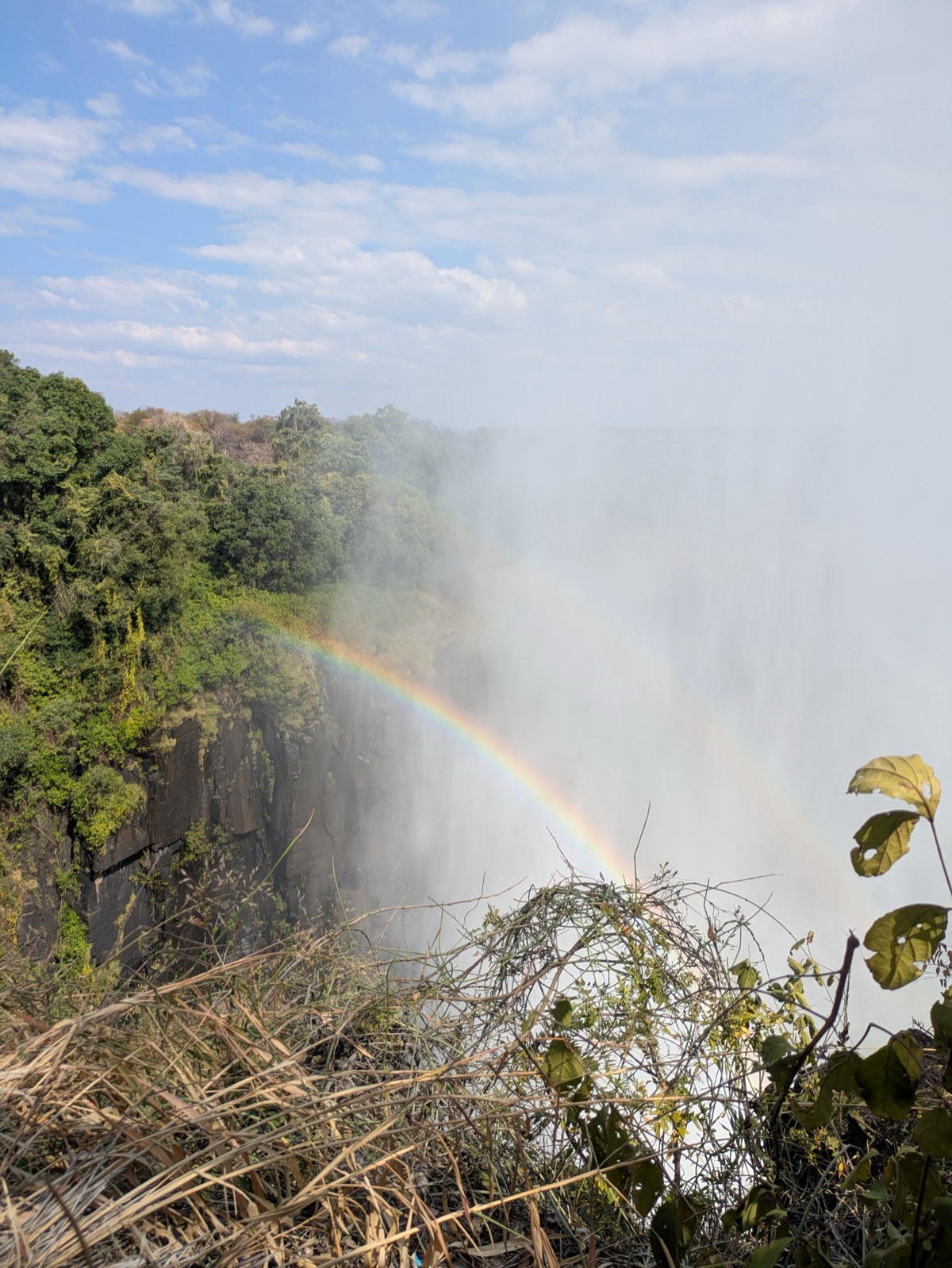
Highlights
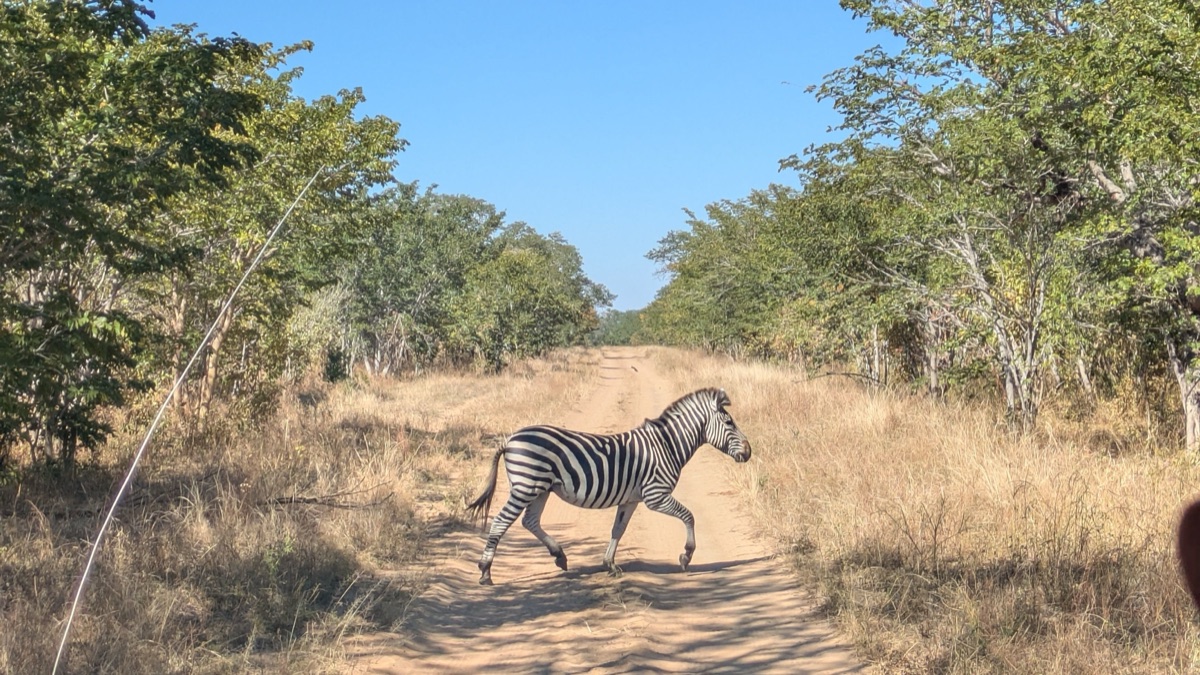
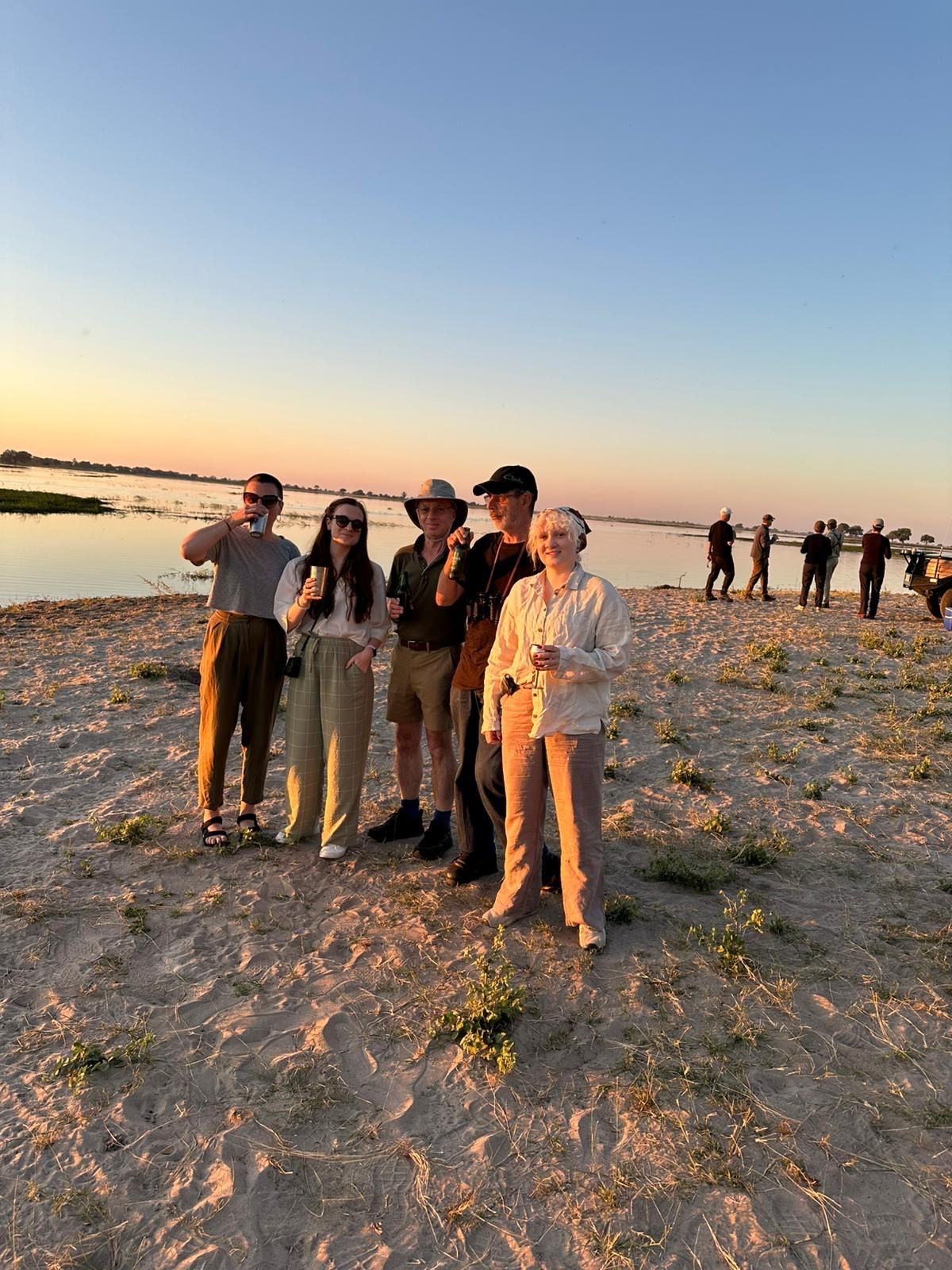
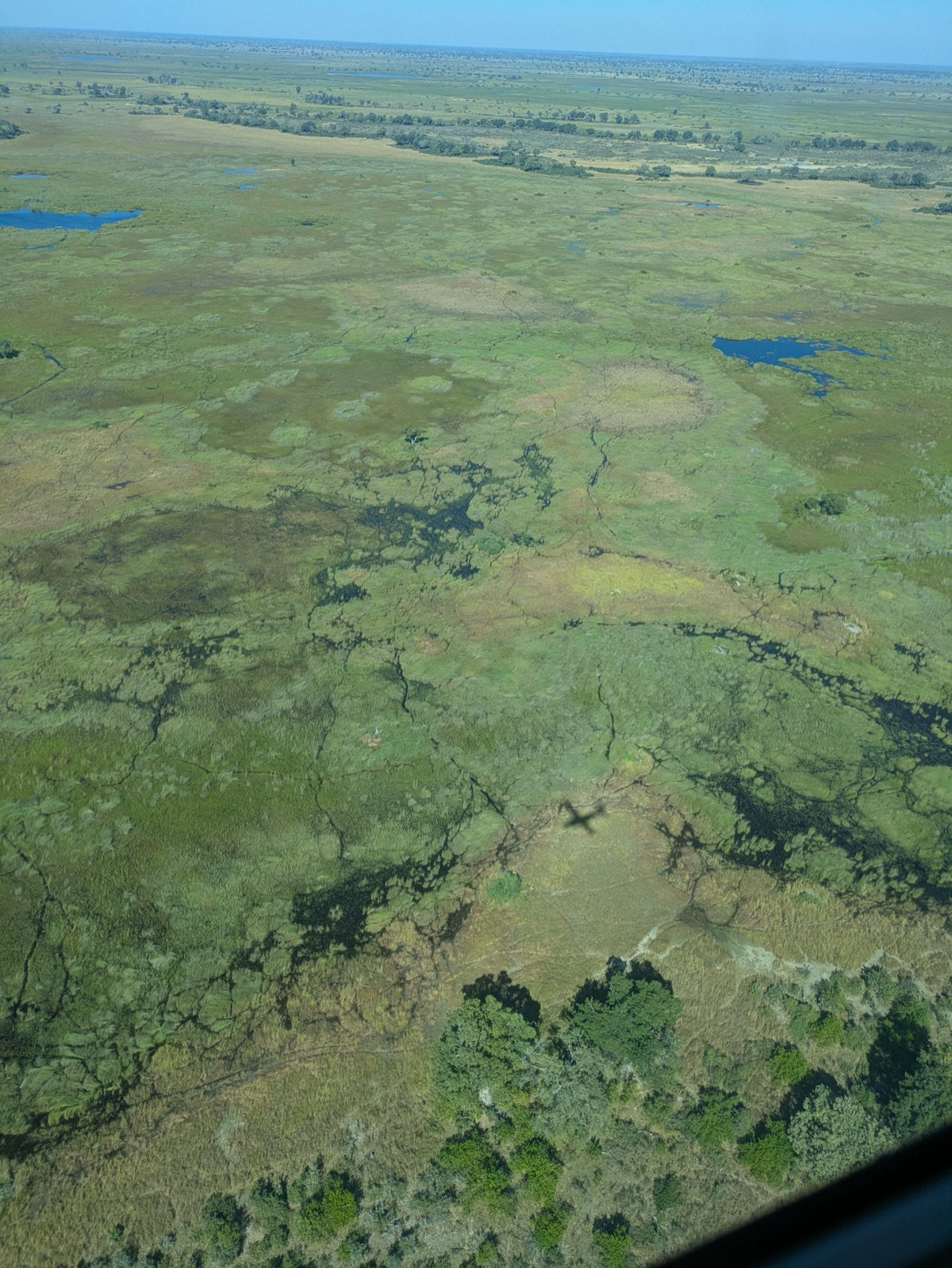
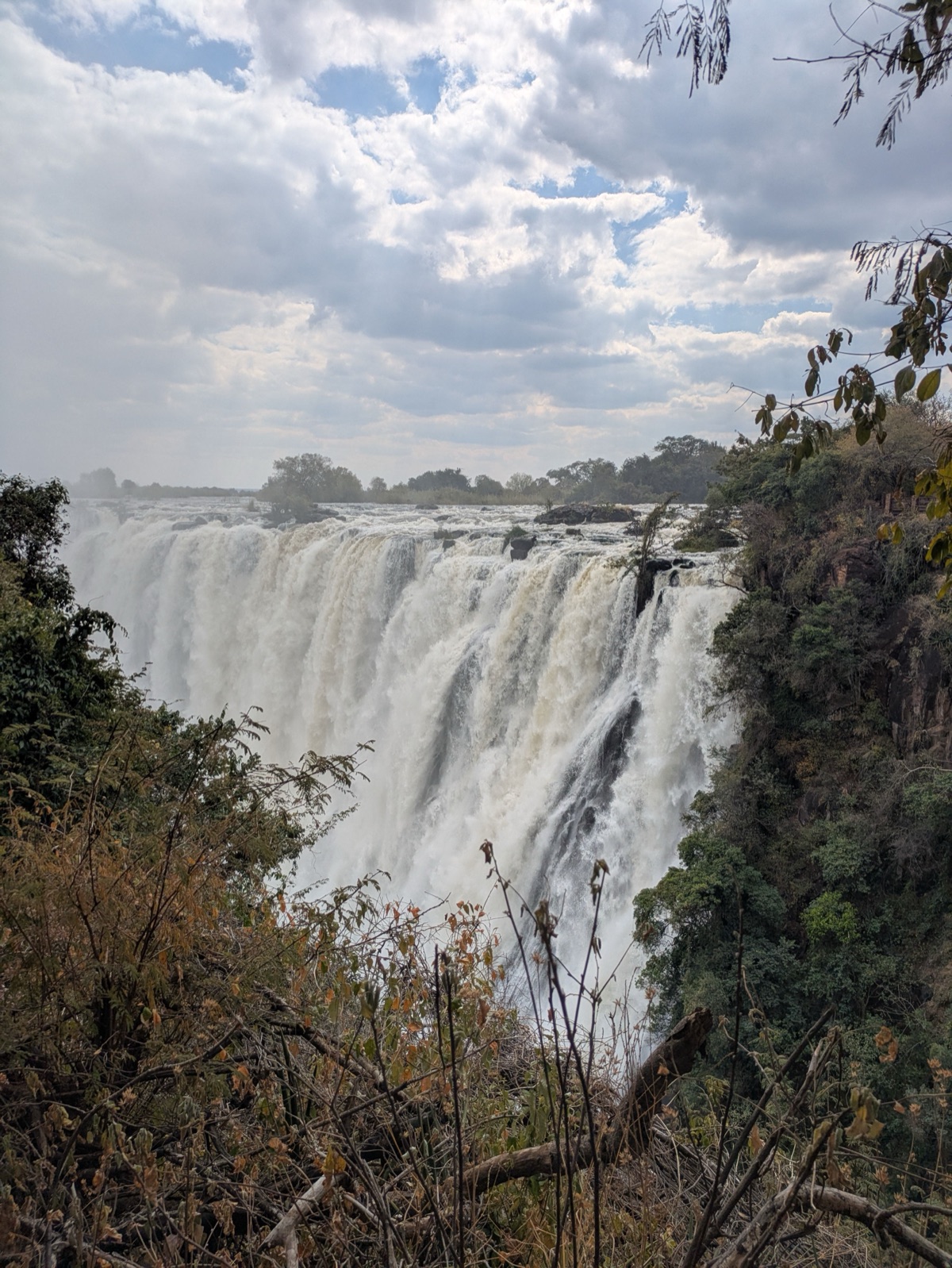
The Bestiary
Mammals (26)
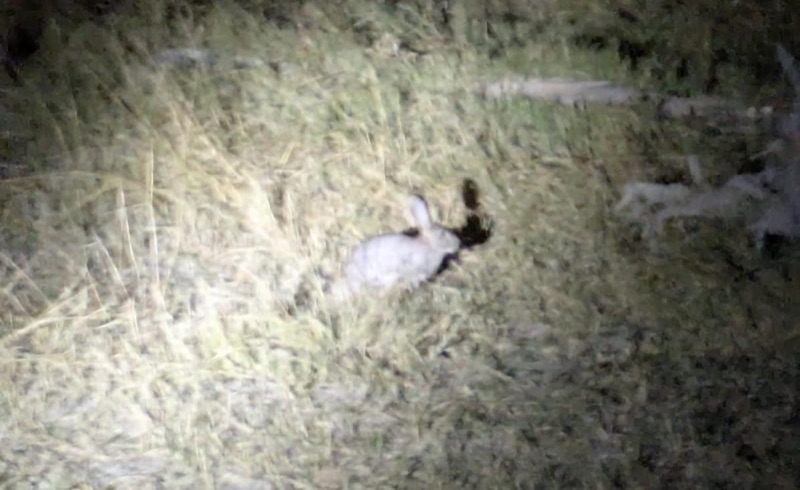
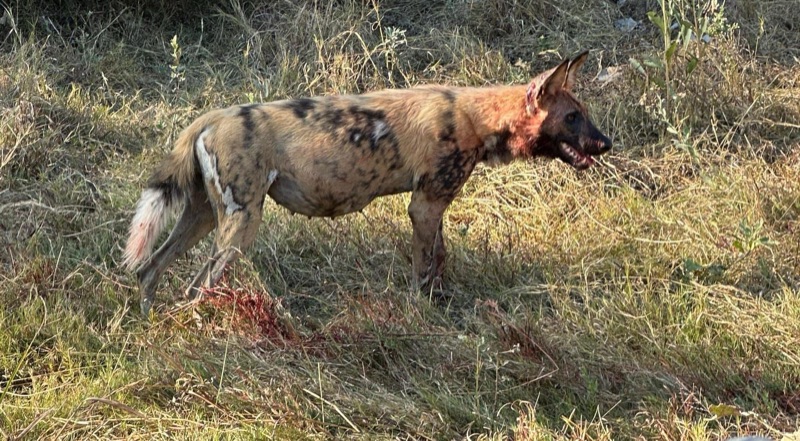
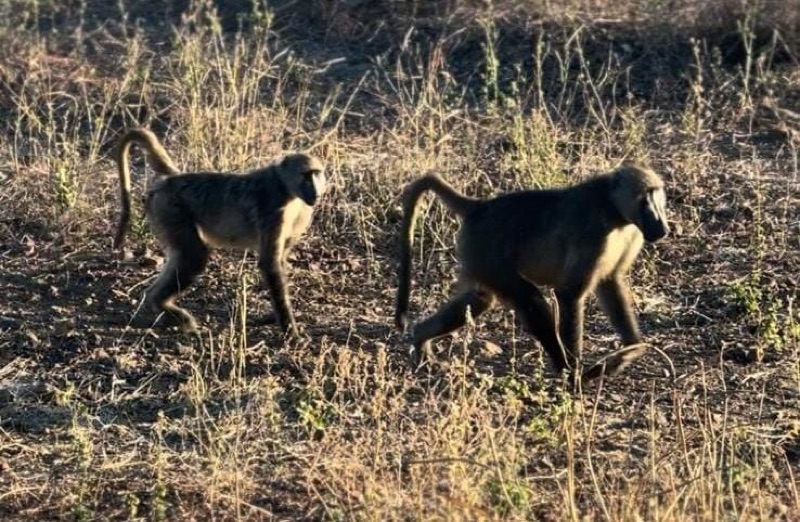
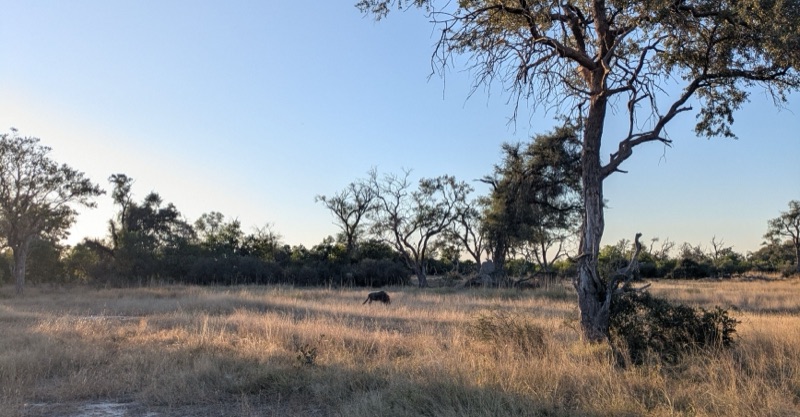
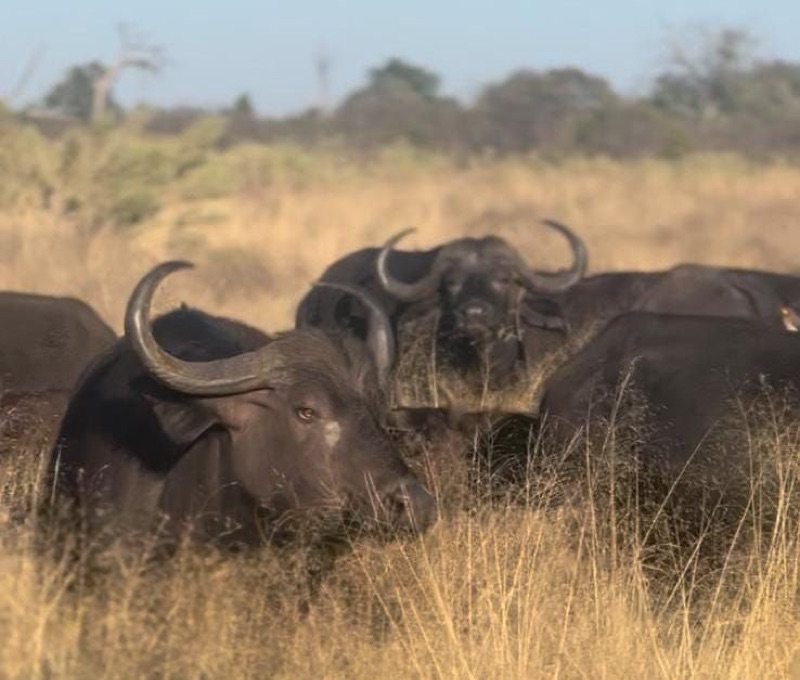
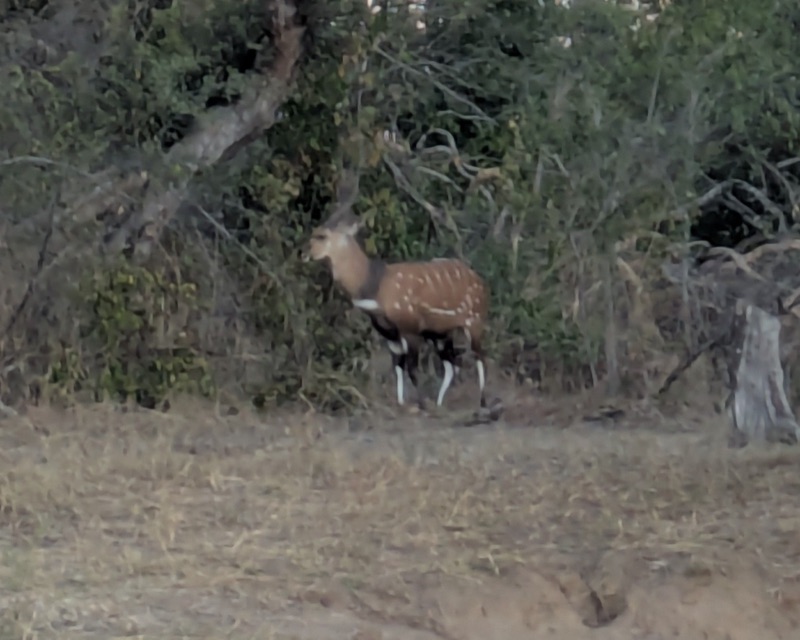
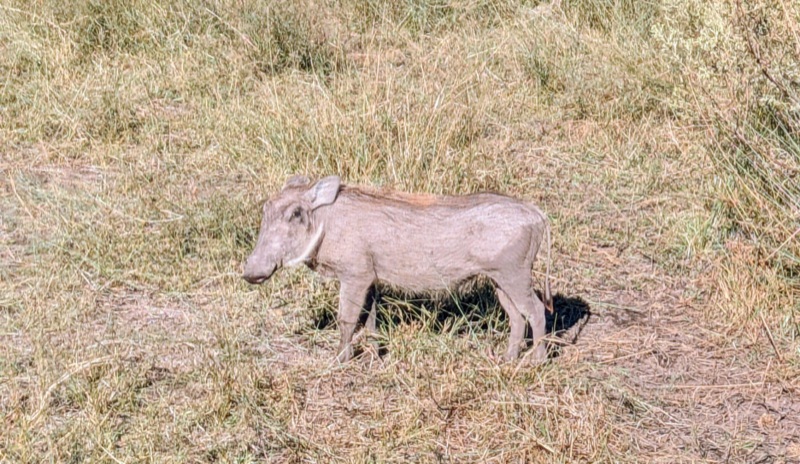
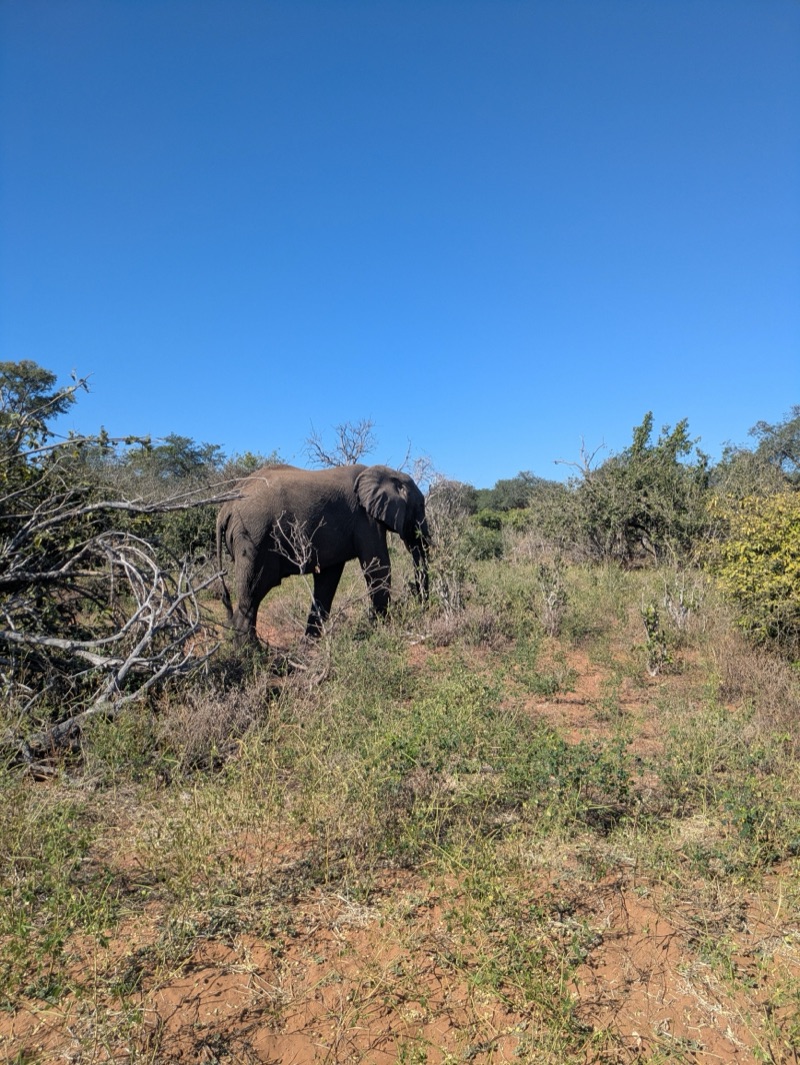
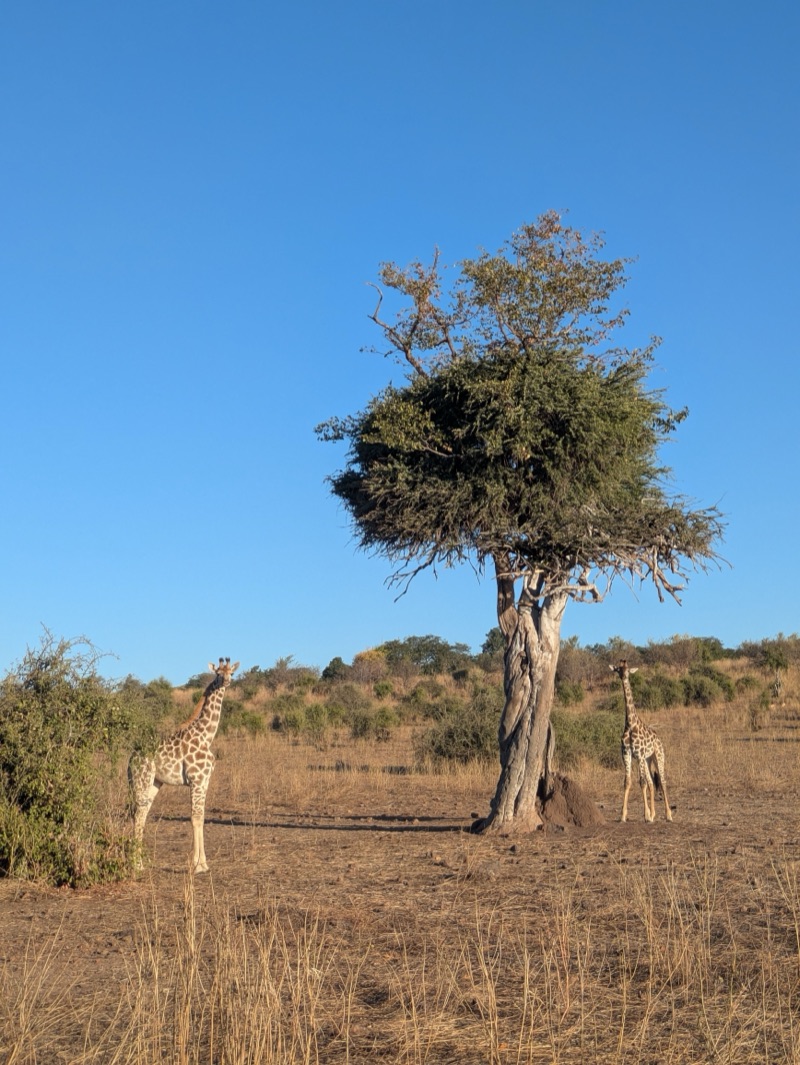
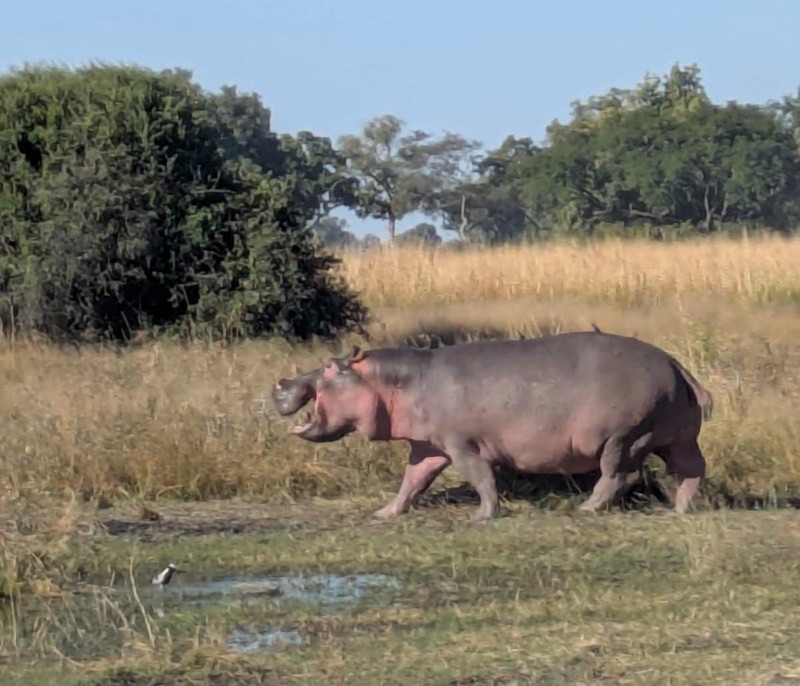
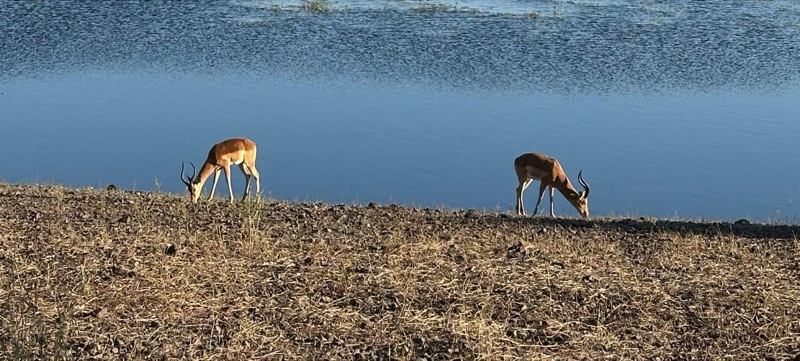
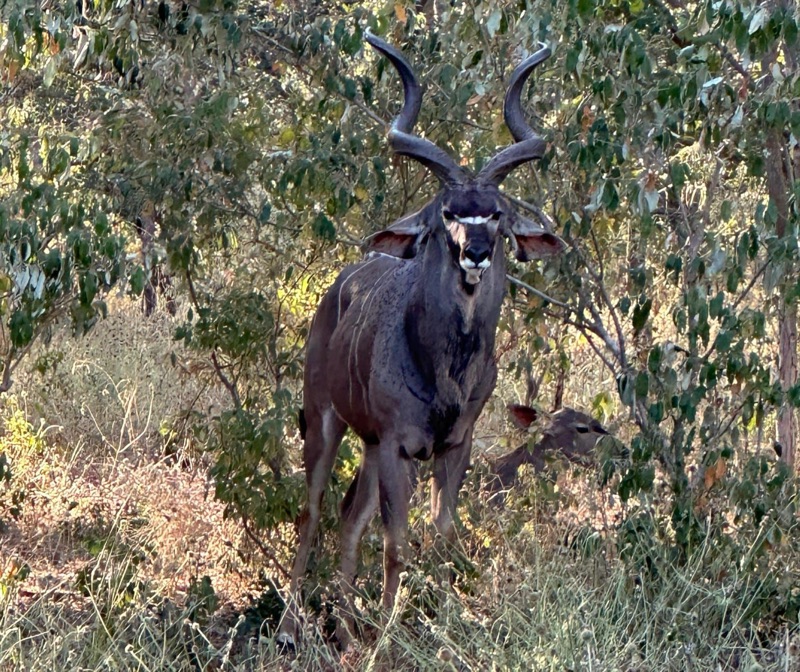
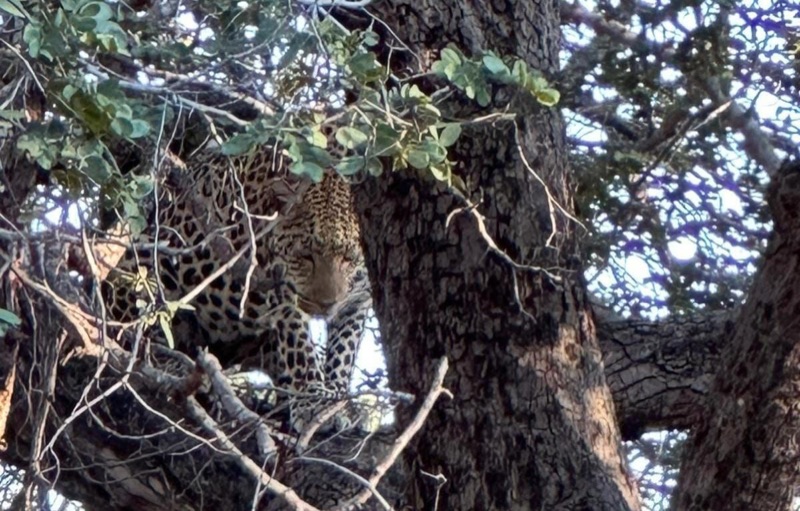
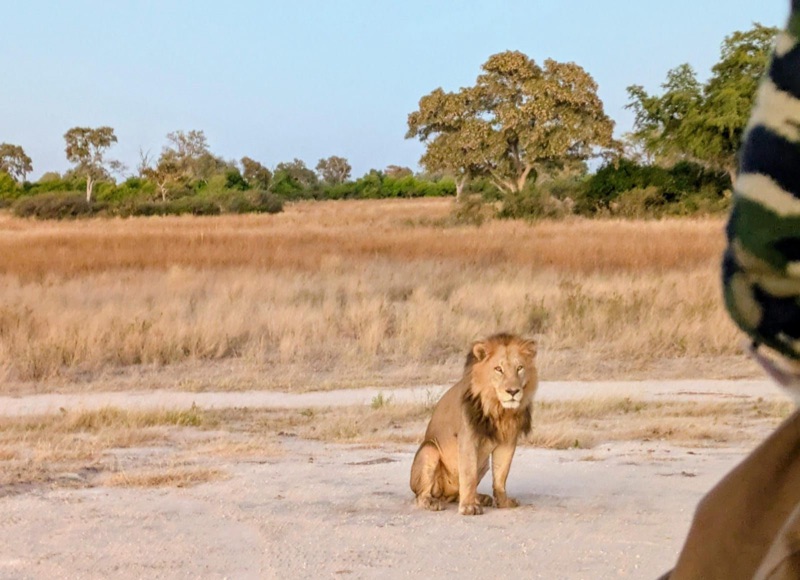
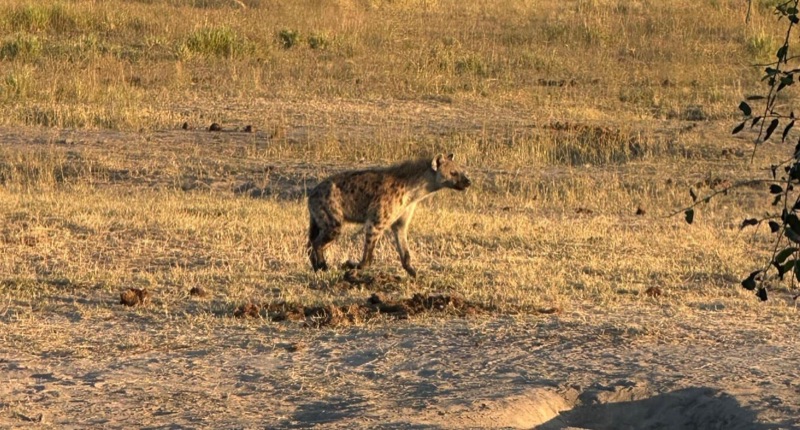
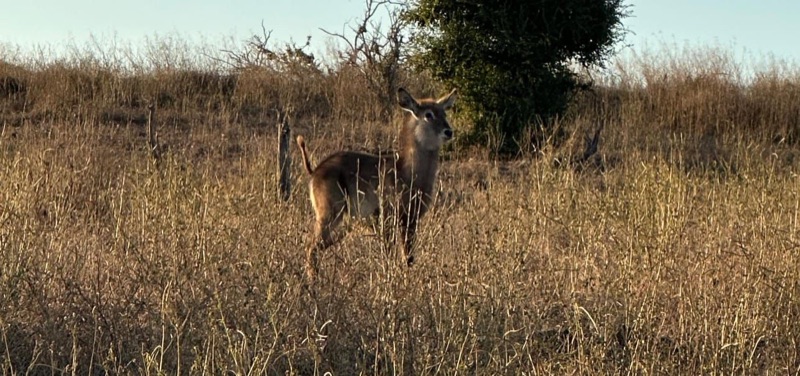
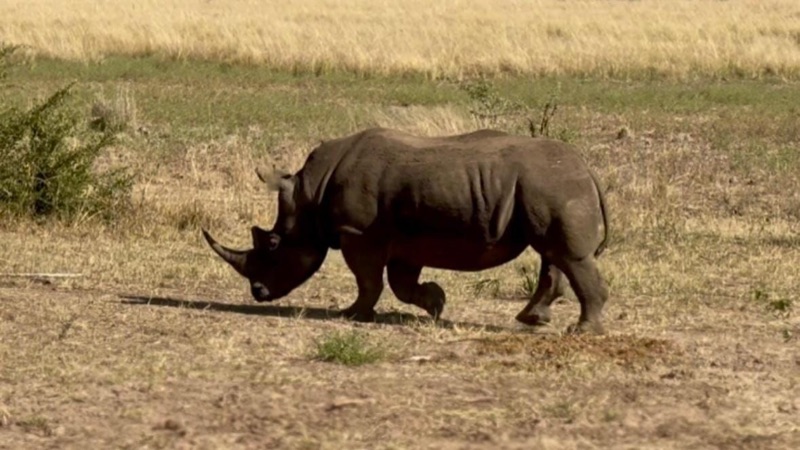
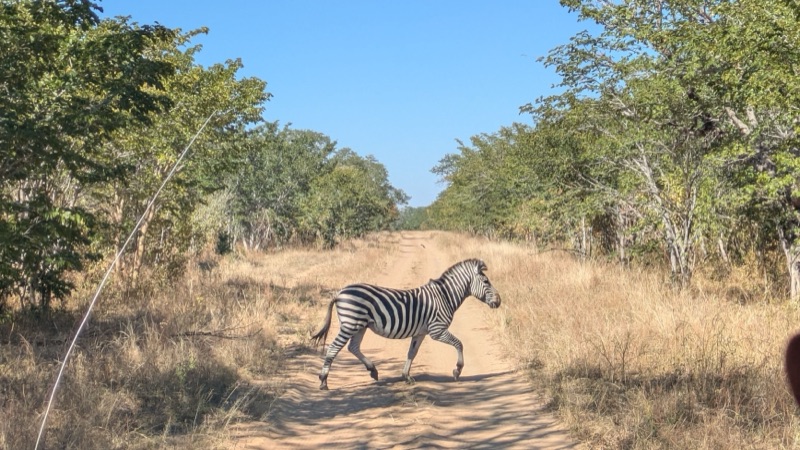
- Banded mongoose
- Black-backed jackal
- Malbrouck
- Red lechwe (water antelope)
- Sable antelope
- Slender mongoose
- Springbok
- Vervet monkey
Birds (82)
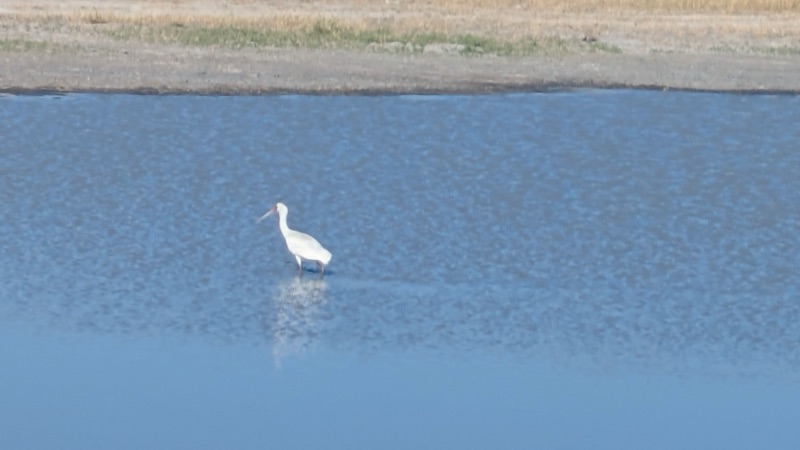
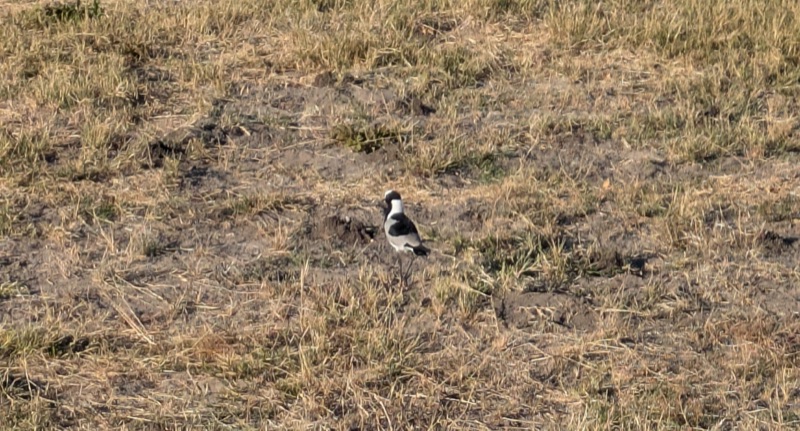
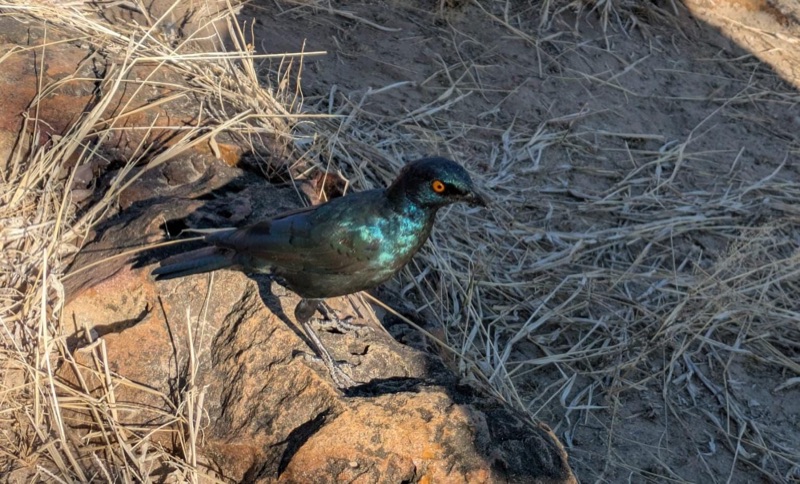
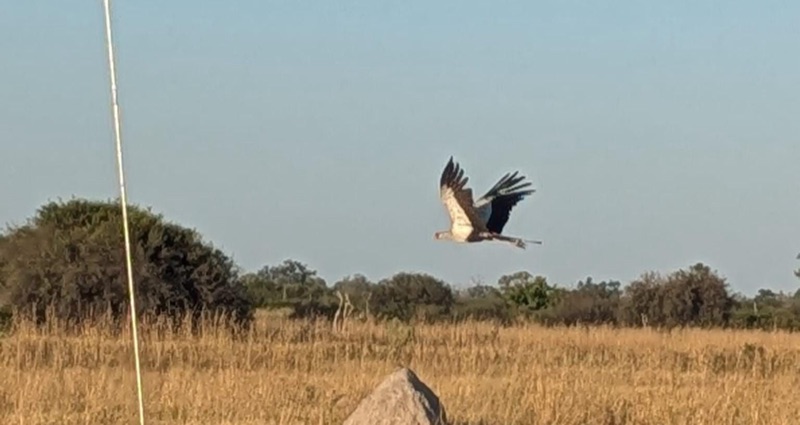
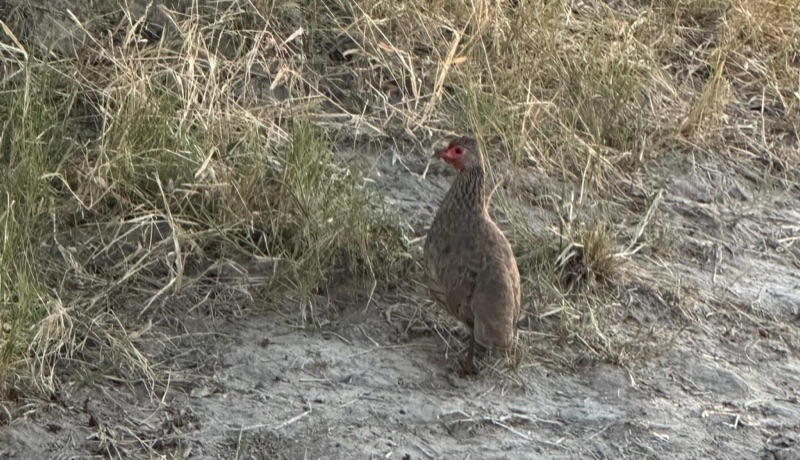
- African harrier hawk
- African hawk-eagle
- African jacana Also called ‘Jesus bird’ because they sometimes walk on water lilies.
- African openbill
- African pied wagtail
- African wattled lapwing
- Ashy flycatcher
- Bateleur eagle
- Bay wing goose
- Black heron Nighttime…. daytime!
- Black-collared barbet
- Black-crowned night heron
- Black-headed heron
- Black-winged stilt
- Bronze mannikin
- Brown-hooded kingfisher
- Burchell’s starling
- Butcher bird
- Cape turtledove
- Carmine bee-eater
- Cattle egret We saw these on top of elephants, eating ticks.
- Crowned lapwing
- Egyptian goose
- Fire-necked nightjar
- Firefinch
- Fish eagle National bird of Zambia.
- Fork-tailed drongo
- Giant kingfisher
- Glossy ibis
- Goliath heron
- Greater white egret
- Grey heron
- Ground hornbill
- Ground plover
- Guinea fowl
- Hamerkop
- Holub's golden weaver
- Hooded vulture
- Kite
- Kori bustard National bird of Botswana
- Leopard-faced vulture
- Lesser jacana
- Lesser striped swallow
- Lilac-breasted roller Formerly the national bird of Botswana. Extraordinarily beautiful
- Little bee-eater
- Little bittern
- Little egret
- Malachite kingfisher
- Marabou stork
- Osprey
- Pied kingfisher
- Red-billed duck
- Red-billed hornbill Zazu
- Red-billed oxpicker Eats ticks from the backs of buffalo, giraffe, etc.
- Red-crested korhaan
- Red-throated twinspot
- Reed cormorant Also known as the ‘long-tailed cormorant’.
- Sacred ibis
- Scimitarbill
- Senegal coucal
- Striped kingfisher
- Terrestrial brownbul
- Tropical boubou
- Trumpeter hornbill
- Village indigobird
- Water thick-knee Also known as the ‘water dikkop’.
- Wattled starling
- White-backed vulture
- White-breasted cormorant
- White-crowned lapwing
- White-faced bee-eater
- White-faced whistling duck
- Wood dove
- Yellow-bellied greenbul
- Yellow-billed hornbill
- Yellow-billed kite
- Yellow-billed stork
Reptiles (4)
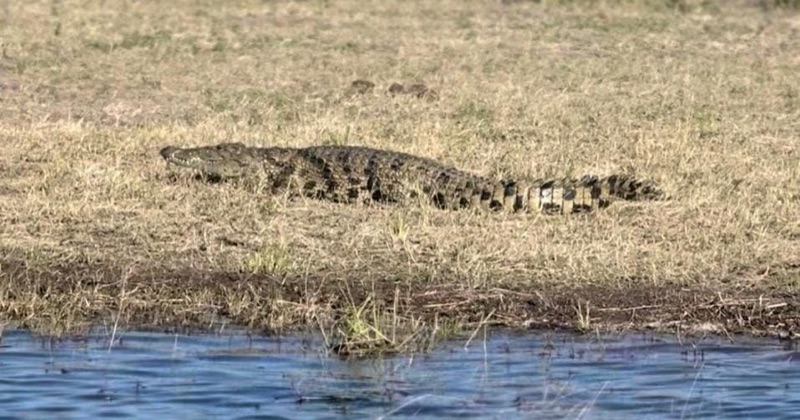
- Lots of small lizards
- Monitor lizard
- Water monitor
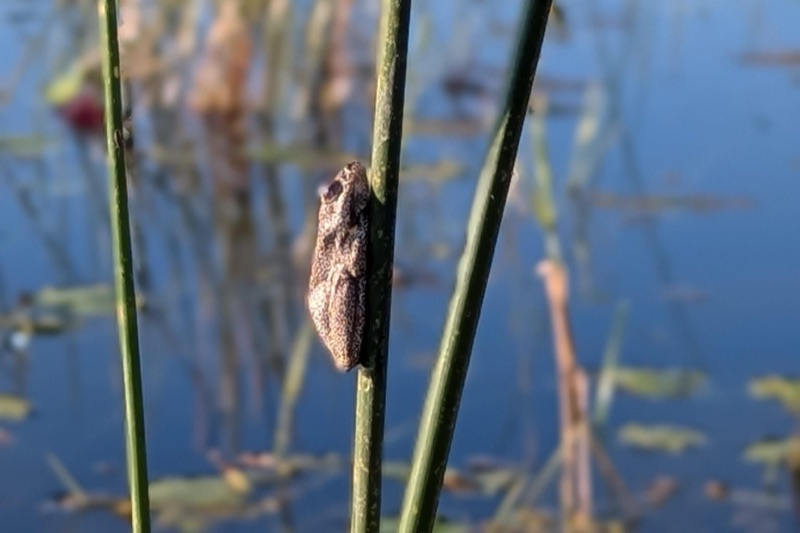
Amphibians (1)
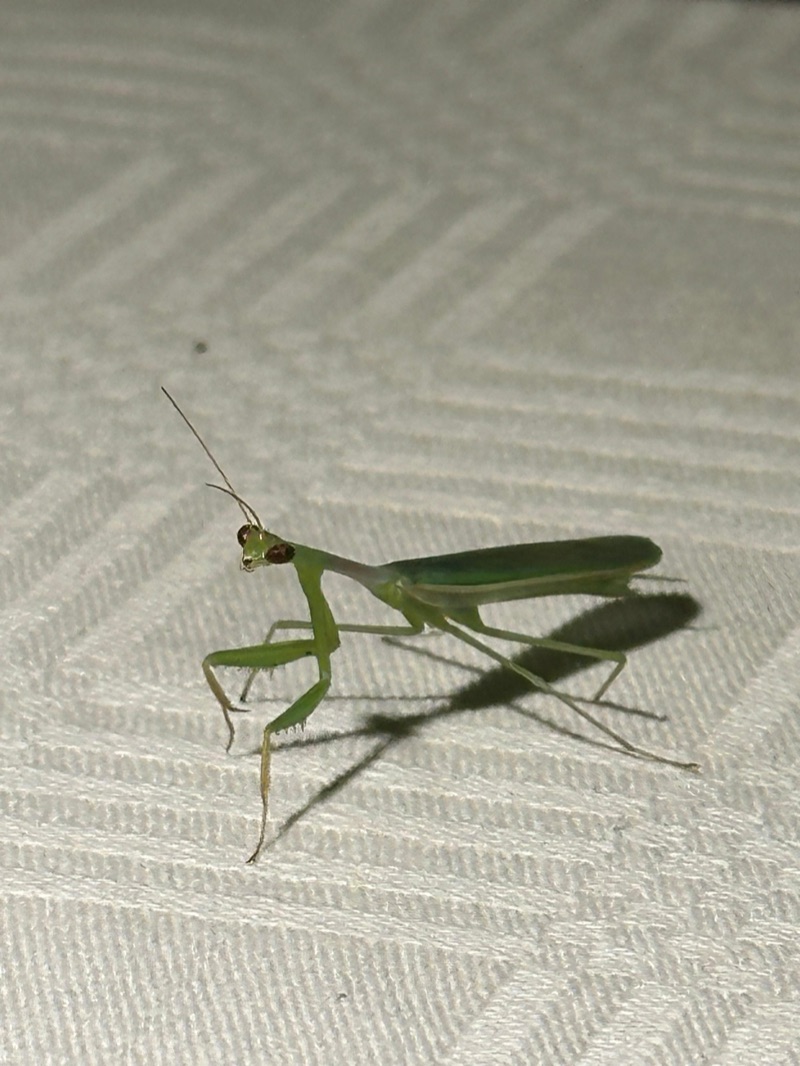
Insects (4)
- Dung beetle
- Termites
Plants (2)
- Baobab tree
- Sausage tree